Introduction

Understanding Investing & Trading is essential for anyone looking to grow their wealth and secure financial stability. While both involve putting money into financial instruments, they serve different purposes, have different risk profiles, and follow different strategies. Many beginners struggle to distinguish between short-term trading and long-term investing, which can affect their financial outcomes. In this guide, we will cover everything you need to know, including the difference between trading and investing, trade life cycle in investment banking, and insights on foreign trade and investment.
Investing typically focuses on long-term wealth creation. Investors aim to grow their money gradually by buying and holding assets such as stocks, bonds, or mutual funds. On the other hand, trading involves buying and selling financial instruments over shorter time periods to earn quick profits. Understanding these differences is crucial before entering the market.
Foreign trade and foreign investment are also important concepts for global financial growth. Many beginners confuse the two, so we will explain how to distinguish between foreign trade and foreign investment, and why both matter for economic and personal financial planning.
In India, several organizations and institutes help individuals and businesses understand investment strategies, foreign trade, and regulatory frameworks. Knowing which institute supports investment and foreign trade in India can provide guidance for both beginners and experienced investors.
Additionally, online platforms like Trust Trade Online Investing have made investing and trading more accessible, enabling users to trade securely and monitor their portfolios in real time.
By the end of this article, you will have a clear understanding of Investing & Trading, the steps involved in the trade life cycle, and how to make informed decisions to grow your wealth safely and effectively in 2026.
What is Investing?
Investing is the process of allocating money into assets with the expectation of generating long-term wealth. Unlike trading, investing focuses on growth over months or years, emphasizing patience and consistency. Common investment options include stocks, bonds, mutual funds, and real estate.
Investors often evaluate risk and return before making decisions. High-risk investments like stocks can provide greater returns, but they also carry potential losses. Lower-risk options such as bonds or fixed deposits offer stability but slower growth. Understanding your risk tolerance is crucial before investing.
Investing also involves diversification, spreading funds across multiple assets to reduce potential losses. By investing strategically, individuals can create a long-term financial plan that helps achieve goals like retirement planning, education funding, or wealth accumulation.
What is Trading?
Trading is the buying and selling of financial instruments, such as stocks, commodities, or currencies, over a short period, usually days, weeks, or months. The main goal of trading is to earn quick profits by taking advantage of price fluctuations.
Traders rely heavily on market trends, charts, and technical analysis to make informed decisions. Unlike investors, traders often execute multiple transactions in a short time frame, making trading more time-intensive and risky. Popular forms of trading include day trading, swing trading, and options trading.
While trading can be profitable, it requires discipline, research, and emotional control. Failing to manage risks properly may result in significant losses. Tools like trading platforms and real-time market data are essential for successful trading.
Difference Between Trading and Investing
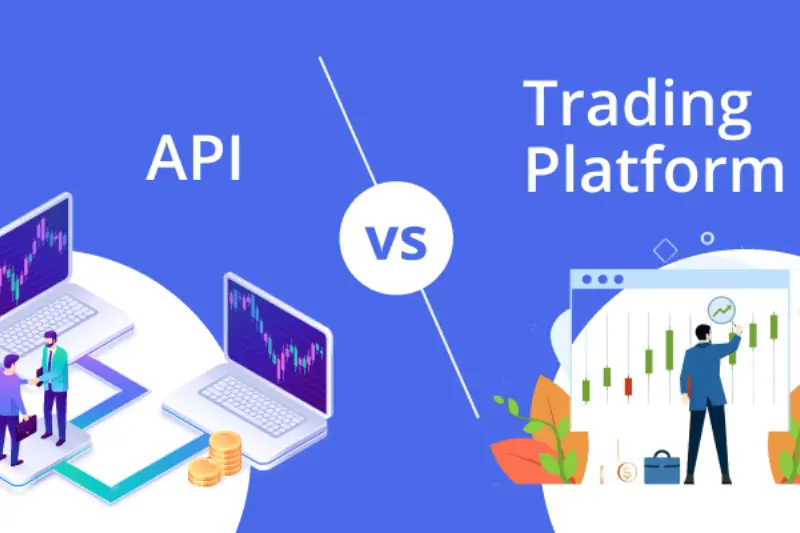
Understanding the difference between trading and investing is vital for anyone entering the financial markets.
Investing focuses on long-term growth, stability, and compounding returns. Traders, on the other hand, aim for short-term profits and frequently monitor the market to exploit price movements.
Risk is another key difference. Investments are generally less risky over the long term, while trading carries higher risk due to rapid market changes. Investors often use fundamental analysis, studying company financials and economic trends, while traders rely on technical analysis, charts, and indicators.
Time horizon, risk tolerance, and strategy distinguish trading and investing clearly. Both approaches can complement each other in a diversified financial plan.
Understanding Foreign Trade & Investment
Many beginners confuse foreign trade with foreign investment, but they are fundamentally different. Foreign trade involves the import and export of goods and services between countries. It is focused on commerce and economic transactions.
Foreign investment, however, refers to investing capital in a foreign country, such as buying shares, real estate, or establishing businesses abroad. Foreign investments aim to earn returns over time, whereas foreign trade generates immediate revenue through commercial transactions.
Understanding the distinction is essential for businesses, investors, and governments. For individuals, knowledge of foreign investment can open opportunities for diversification and global portfolio growth.
Trade Life Cycle in Investment Banking
The trade life cycle in investment banking refers to the complete journey of a financial trade from the moment it is initiated until it is fully settled and recorded. Understanding this cycle is crucial for investors, traders, and financial professionals, as it ensures that transactions are executed smoothly, risks are managed effectively, and all regulatory requirements are met.
The first stage is trade initiation, where an investor or trader decides to buy or sell a financial instrument, such as stocks, bonds, or derivatives. This step involves analyzing market conditions, researching the asset, and determining the size and timing of the trade. A well-informed initiation reduces the chances of mistakes and potential losses.
Next is trade execution, where the order is placed on an exchange or trading platform. Execution requires precise timing and accurate instructions to ensure the trade is carried out at the desired price. Investment banks and brokerage firms often provide platforms and technology to facilitate quick and efficient execution.
After execution, the trade enters the clearing phase, where financial intermediaries verify the trade details, calculate obligations, and manage counterparty risk. Clearing ensures that both the buyer and seller meet their contractual obligations, which minimizes the possibility of disputes or settlement failures.
Institutes Supporting Investment & Foreign Trade in India

Several institutes in India provide guidance and support for investment and foreign trade. Organizations such as the Securities and Exchange Board of India (SEBI) regulate investments and ensure market transparency.
Educational and training institutes like the Indian Institute of Foreign Trade (IIFT) offer courses in international business, trade, and investment management. They equip professionals with the skills required to analyze markets, manage portfolios, and understand foreign trade regulations.
Banks, brokerage firms, and financial advisory services also support investors with guidance, research tools, and platforms for trading and investment. Knowing which institute supports investment and foreign trade in India is key for anyone serious about financial planning or starting a career in finance.
Online Trading & Investment Platforms
Digitalization has made trading and investing accessible to millions through platforms like Trust Trade Online Investing. These platforms allow users to execute trades, monitor portfolios, and access real-time market data from anywhere.
Online investing platforms provide tools for research, charts, risk assessment, and even automated trading. Users can invest in stocks, commodities, ETFs, and other financial instruments with minimal barriers. Security measures like two-factor authentication and encryption ensure the safety of funds and personal data.
Platforms like Trust Trade are particularly useful for beginners because they offer educational resources, tutorials, and simulation accounts to practice trading without financial risk.
Common Mistakes to Avoid in Investing & Trading
Many beginners make mistakes that can reduce profitability or increase risk. Common errors include:
- Overtrading without a proper strategy.
- Ignoring market research and trends.
- Making emotional decisions during market fluctuations.
- Not diversifying investments or portfolios.
- Failing to understand foreign trade and investment rules.
Avoiding these mistakes requires planning, education, and patience. Using trusted platforms and following guidance from credible institutes also reduces the chance of costly errors.
Expert Tips for Successful Investing & Trading
Experts recommend the following strategies:
- Start with clear financial goals and risk tolerance.
- Diversify your portfolio across asset classes and markets.
- Learn both fundamental and technical analysis.
- Keep updated with global economic news and policies affecting investments.
- Use regulated online platforms like Trust Trade Online Investing for transparency and security.
- Consider foreign investments for diversification but understand associated risks.
Following expert tips ensures more informed decisions and increases the chances of financial growth.
Conclusion
Investing & Trading are essential components of wealth creation, each serving a unique purpose. Investors focus on long-term growth, while traders seek short-term profits. Understanding the difference between trading and investing, the trade life cycle in investment banking, and the distinction between foreign trade and foreign investment is crucial for success.
Institutes in India and online platforms like Trust Trade Online Investing provide resources, guidance, and tools to make informed financial decisions. By avoiding common mistakes and following expert tips, beginners can enter the world of investing and trading with confidence.
A strategic approach combining knowledge, patience, and proper tools will help you achieve sustainable growth and financial security in 2026 and beyond.
FAQs – Investing & Trading
What is the difference between trading and investing?
Trading focuses on short-term profits by buying and selling assets frequently, while investing aims for long-term wealth creation through holding assets over time.
How does foreign investment differ from foreign trade?
Foreign investment involves putting capital into another country to earn returns, such as buying stocks or real estate abroad. Foreign trade involves the import and export of goods and services between countries.
What are the steps in a trade life cycle in investment banking?
The trade life cycle includes trade initiation, execution, clearing, settlement, and post-settlement reporting to ensure accuracy, compliance, and risk management.
Which institutes support investment and foreign trade in India?
Institutes like the Indian Institute of Foreign Trade (IIFT) and regulatory bodies like SEBI provide education, guidance, and oversight for investment and foreign trade.
How can beginners start investing online safely?
Beginners should use regulated platforms like Trust Trade Online Investing, start with small amounts, and educate themselves about risk and market trends.
What is Trust Trade Online Investing?
It’s an online platform that allows users to trade stocks, commodities, ETFs, and other assets securely with real-time data and research tools.
Is trading riskier than investing?
Yes, trading carries higher short-term risk due to frequent market fluctuations, while investing spreads risk over the long term.
Can foreign trade affect personal investments?
Yes, global trade impacts market trends and can influence the value and returns of your investments indirectly.
How long should I invest for long-term gains?
Typically, 5–10 years or more is recommended to take full advantage of compounding and market growth.
What tools help track investments and trades efficiently?
Online platforms like Trust Trade Online Investing offer portfolio tracking, market analysis, charts, and risk management tools for better decision-making.