

Introduction

Business & Entrepreneurship plays a vital role in driving economic growth, innovation, and job creation. Entrepreneurs identify opportunities, take risks, and build businesses that not only generate profit but also create value for society. Whether you aim to start a small venture, manage a family business, or pursue innovative social initiatives, understanding the fundamentals of entrepreneurship is essential.
This guide will explain key concepts such as what is business entrepreneurship, family business entrepreneurship, and business plans in entrepreneurship. It also covers educational insights like small business and entrepreneurship class 11 and highlights the difference between social entrepreneurship and business entrepreneurship. By the end, you’ll have a clear understanding of how to apply entrepreneurial principles to start, grow, and manage successful ventures.
Family Business Entrepreneurship
Family business entrepreneurship refers to businesses that are owned, managed, and operated by one or more members of a family. These businesses often pass from one generation to the next, combining family legacy with entrepreneurial goals. While they benefit from trust, loyalty, and long-term commitment, they also face unique challenges such as succession planning, conflicts among family members, and balancing tradition with innovation.
Successful family business entrepreneurship requires clear roles, transparent communication, and professional management practices. Many family-run businesses have thrived globally by modernizing operations, adopting new technologies, and fostering an entrepreneurial mindset among younger generations. By learning how to manage both family dynamics and business strategies, entrepreneurs can ensure their ventures remain sustainable and competitive over time.
Small Business and Entrepreneurship Class 11
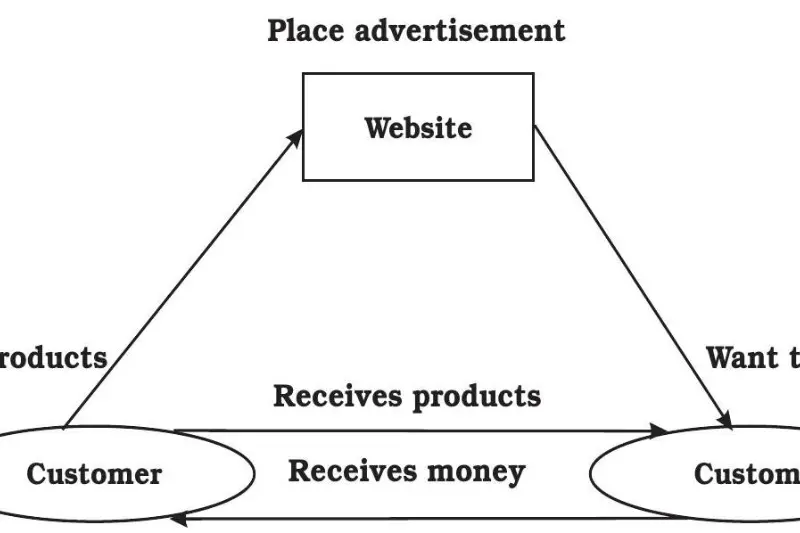
Small business and entrepreneurship class 11 introduces students to the fundamentals of starting and managing small businesses. These lessons help young learners understand how entrepreneurship drives economic growth, creates jobs, and encourages innovation. Students learn essential concepts such as business planning, market research, financial management, and the qualities of a successful entrepreneur.
This early exposure allows students to develop practical skills and a mindset for identifying opportunities and solving problems creatively. By applying classroom knowledge to small projects or simulations, students can gain hands-on experience in managing a business. Understanding small business and entrepreneurship at this stage also prepares them for future ventures, whether they aim to run a family business, start their own company, or explore innovative social initiatives.
What is Business Plan in Entrepreneurship
A business plan in entrepreneurship is a detailed document that outlines the goals, strategies, and roadmap of a business. It acts as a blueprint for entrepreneurs, helping them plan every aspect of their venture—from understanding the market and identifying target customers to managing finances and operations.
A typical business plan includes sections like market analysis, product or service offerings, marketing strategies, financial projections, and long-term goals. It not only guides the entrepreneur in decision-making but also helps attract investors, secure loans, and track progress over time.
By creating a well-structured business plan in entrepreneurship, entrepreneurs can reduce risks, stay focused on their objectives, and ensure their business grows sustainably. Whether you are starting a small venture, managing a family business, or exploring social entrepreneurship, a strong business plan is essential for success.
Difference Between Social Entrepreneurship and Business Entrepreneurship
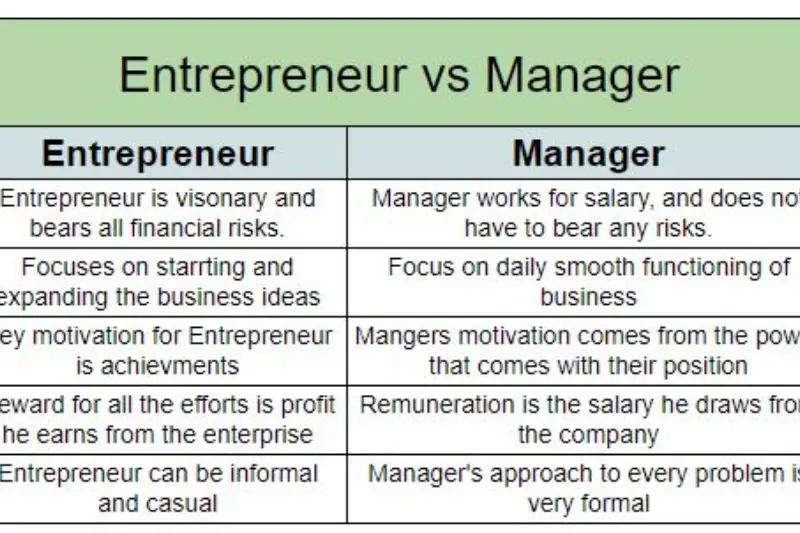
Social entrepreneurship and business entrepreneurship both involve creating and running ventures, but their core goals differ. Business entrepreneurship primarily focuses on generating profit and growing a sustainable enterprise, while social entrepreneurship aims to solve social, environmental, or community problems alongside creating financial value.
Social entrepreneurs prioritize impact—like improving education, healthcare, or sustainability—over just making money, though profits can still support their mission. In contrast, business entrepreneurs focus on market opportunities, customer needs, and competitive strategies to maximize revenue and business growth.
Understanding the difference between social entrepreneurship and business entrepreneurship helps aspiring entrepreneurs decide which path aligns with their vision. Some ventures even blend both approaches, pursuing profit while addressing social or environmental challenges, creating a balanced and impactful enterprise.
What is Business Entrepreneurship
Business entrepreneurship is the process of creating, managing, and growing a business with the goal of generating profit while providing value to customers. Entrepreneurs identify opportunities in the market, take calculated risks, and use innovative ideas to develop products or services that meet customer needs.
A business entrepreneur combines creativity, strategic planning, and leadership skills to turn an idea into a successful venture. They must manage resources, marketing, finances, and operations efficiently to ensure sustainable growth. Examples include starting a small business, launching a tech startup, or expanding an existing family business.
Understanding what is business entrepreneurship is essential for anyone looking to start their own venture, as it lays the foundation for planning, decision-making, and long-term business success.
Key Steps to Start Your Own Business
Starting your own business requires careful planning, research, and execution. The first step is idea generation, where you identify a product or service that solves a problem or meets a demand in the market. Once you have an idea, market research helps you understand customer needs, competitors, and potential challenges.
The next step is creating a business plan, which includes financial planning, marketing strategies, operational details, and long-term goals. Securing funding is crucial, whether through personal savings, loans, investors, or grants, to ensure your business has the resources to grow.
Finally, focus on legal and operational setup, such as registering your business, obtaining licenses, and establishing efficient processes. By following these steps, entrepreneurs can build a strong foundation for success, reduce risks, and increase the chances of creating a sustainable and profitable business.
Conclusion
Business & Entrepreneurship is a powerful driver of economic growth, innovation, and personal success. Whether you are exploring business entrepreneurship, managing a family business, or learning through small business and entrepreneurship class 11, understanding key concepts is essential for creating and sustaining a successful venture.
A strong business plan in entrepreneurship provides a roadmap for growth, while distinguishing between social entrepreneurship and business entrepreneurship helps you align your goals with impact and profit. By following practical steps—generating ideas, conducting market research, securing funding, and managing operations—you can transform a concept into a thriving business.
Embracing entrepreneurship develops creativity, leadership, and problem-solving skills, allowing you to contribute meaningfully to the economy and society. With dedication, planning, and the right knowledge, anyone can pursue business & entrepreneurship successfully and make a lasting impact.
FAQs – Business & Entrepreneurship
What is business entrepreneurship?
Business entrepreneurship is the process of creating, managing, and growing a business to generate profit while providing value to customers.
What is a business plan in entrepreneurship?
A business plan is a detailed roadmap outlining goals, strategies, market analysis, financial planning, and operations for a business.
How does family business entrepreneurship work?
Family business entrepreneurship involves businesses owned and managed by family members, focusing on trust, legacy, and sustainable growth.
What is the difference between social entrepreneurship and business entrepreneurship?
Social entrepreneurship focuses on solving social or environmental problems alongside generating profit, whereas business entrepreneurship primarily focuses on profit and market growth.
Why is entrepreneurship important for the economy?
Entrepreneurship drives innovation, creates jobs, boosts economic growth, and encourages problem-solving in society.
How can class 11 students learn small business and entrepreneurship?
Through practical lessons, simulations, projects, and classroom exercises that teach idea generation, planning, and business management.
What are common challenges faced by entrepreneurs?
Challenges include securing funding, managing operations, competition, market risks, and balancing innovation with practical execution.
Can family businesses adopt modern entrepreneurship practices?
Yes. Incorporating professional management, technology, and innovative strategies can help family businesses grow sustainably.