
Introduction

Investing & Trading have become essential skills in today’s fast-changing financial world. Whether you want to grow your savings, build long-term wealth, or earn short-term profits, understanding how trade and investment work can open many opportunities. From stock markets and forex to real estate and digital assets, people across the globe are actively participating in different forms of investing and trading to secure their financial future.
In simple terms, investing focuses on long-term growth by putting money into assets like stocks, bonds, or property, while trading involves buying and selling assets frequently to take advantage of market movements. Both approaches play a vital role in the global economy and are closely linked to foreign trade and foreign investment, which help countries grow by attracting capital and expanding business opportunities.
Moreover, concepts like non trade investment, government policies, and trade related investment measures also influence how individuals and businesses invest. As markets become more connected through globalization and the liberalisation of foreign trade and foreign investment policy, understanding these fundamentals is more important than ever.
In this guide, we will explore everything you need to know about investing & trading, from basic concepts to global market strategies, in a simple and beginner-friendly way.
Non-Trade Investment
Non-trade investment refers to investments that are made without the intention of frequent buying and selling in the market. Unlike trading, where investors aim to earn short-term profits through price fluctuations, non-trade investment focuses on long-term value and steady growth. This type of investment is usually passive in nature, meaning the investor does not actively monitor or change positions on a daily basis.
Common examples of non-trade investment include purchasing real estate, investing in long-term stocks, fixed deposits, mutual funds, or starting a private business. These investments are typically held for months or even years, allowing the investor to benefit from compound growth, dividends, or rental income. The main goal is financial stability rather than quick profits.
Non-trade investment is especially suitable for beginners or individuals who prefer lower risk and less involvement in daily market activities. It also plays an important role in overall trade and investment strategies, as it provides a stable foundation while other high-risk trading activities can generate additional income.
Trade and Investment
Trade and investment are two closely connected concepts that play a vital role in economic growth and financial development. Trade refers to the buying and selling of goods and services, either within a country or across international borders, while investment involves putting money into assets or businesses with the expectation of earning a profit over time. Together, trade and investment help businesses expand, create jobs, and increase the flow of money in the economy.
The relationship between trade and investment is very strong. When companies invest in new markets, they often increase trade by importing raw materials or exporting finished products. Similarly, strong trade activities can attract more investors, both local and foreign, because they indicate a healthy and growing economy. This connection is especially visible in global markets, where countries depend on foreign trade and foreign investment to boost development.
In today’s globalized world, trade and investment are key drivers of innovation and competitiveness. Governments also support them through policies and agreements that make it easier for businesses to operate internationally. For individuals, understanding trade and investment can open doors to new financial opportunities and help in making smarter economic decisions.
Foreign Trade and Foreign Investment
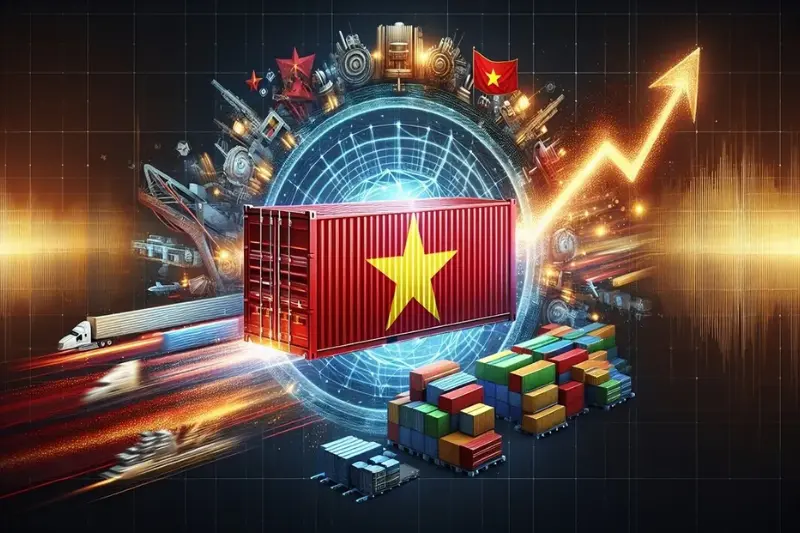
Foreign trade and foreign investment are essential components of the global economy, helping countries connect, grow, and compete on an international level. Foreign trade refers to the exchange of goods and services between countries, including exports (selling goods to other countries) and imports (buying goods from abroad). On the other hand, foreign investment involves individuals, companies, or governments investing money in businesses or assets located in another country to earn profits.
Both foreign trade and foreign investment are closely linked and support each other. When a country increases its foreign trade, it often attracts foreign investors who see growth opportunities in that market. Similarly, foreign investment can boost trade by improving production capacity, technology, and infrastructure. For example, when a multinational company sets up a factory in another country, it not only invests money but also increases exports and creates jobs.
These activities are crucial for economic development, especially in developing countries. They bring in capital, advanced technology, and management skills, which help improve productivity and living standards. However, governments also regulate foreign trade and foreign investment through policies to protect local industries and maintain economic stability. Overall, they play a key role in shaping modern economies and global business relations.
Liberalisation of Foreign Trade and Foreign Investment Policy
Liberalisation of foreign trade and foreign investment policy refers to the process of reducing government restrictions and making it easier for countries to engage in international trade and attract foreign investors. This includes lowering tariffs, removing import quotas, simplifying regulations, and allowing foreign companies to invest more freely in local markets. The main goal of liberalisation is to promote economic growth by increasing global business opportunities and competition.
When governments adopt liberalisation policies, they open their economies to the world. This encourages foreign companies to invest, bring new technologies, and create job opportunities. At the same time, local businesses gain access to international markets, which helps increase exports and improve overall productivity. As a result, both foreign trade and foreign investment grow, strengthening the country’s economic position globally.
Liberalisation has been especially important for developing countries, as it helps them attract capital, modernize industries, and improve infrastructure. However, it also comes with challenges, such as increased competition for local businesses and dependency on global markets. Therefore, governments must balance openness with proper regulations to ensure sustainable and inclusive economic development.
Trade Related Investment Measures
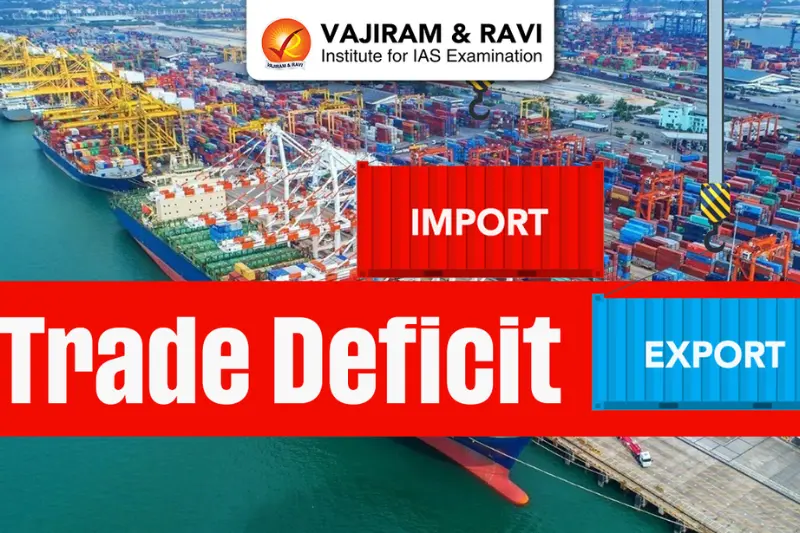
Trade Related Investment Measures (TRIMs) are rules and regulations that countries use to control how foreign investment affects their trade activities. These measures are mainly focused on ensuring that investment policies do not create unfair trade practices or restrict the free flow of goods between countries. TRIMs are closely associated with global trade systems and are regulated under international agreements to maintain fair competition.
In simple terms, TRIMs guide how governments can apply certain conditions on foreign investors. For example, a country may require foreign companies to use locally produced materials (local content requirement) or to export a certain percentage of their production. While these measures are often introduced to protect domestic industries and promote local growth, they can sometimes create barriers to international trade.
To address this, global organizations like the World Trade Organization (WTO) have established rules to limit the use of such restrictive measures. The aim is to create a balanced environment where countries can attract foreign investment while still following fair trade practices. Overall, trade related investment measures play an important role in shaping how investment and international trade interact in the global economy.
Conclusion
Investing & Trading are powerful tools for building wealth and understanding the global economy. From basic concepts like trade and investment to more advanced topics such as foreign trade and foreign investment, each element plays a crucial role in financial growth and economic development. Whether it is long-term strategies like non trade investment or policy-level frameworks like the liberalisation of foreign trade and trade related investment measures, all these factors are interconnected and influence how markets operate.
In today’s globalized world, having knowledge of investing and trading is more important than ever. It not only helps individuals make smarter financial decisions but also provides insight into how countries grow and compete internationally. By learning the fundamentals and staying informed about global trends, anyone can take a step toward financial stability and long-term success.
FAQs
What is the difference between investing and trading?
Investing focuses on long-term growth by holding assets for years, while trading involves short-term buying and selling to earn quick profits.
What is non trade investment?
Non trade investment refers to long-term investments where assets are held without frequent buying or selling, such as real estate or fixed deposits.
How are trade and investment related?
Trade and investment are closely linked, as increased trade attracts investors, and investment helps boost trade by improving production and infrastructure.
What is foreign trade?
Foreign trade is the exchange of goods and services between countries through imports and exports.
What is foreign investment?
Foreign investment is when individuals or companies invest money in businesses or assets in another country to earn profits.
What is liberalisation in trade policy?
Liberalisation means reducing government restrictions on trade and investment to encourage global business and economic growth.
What are trade related investment measures (TRIMs)?
TRIMs are rules that control how investment policies affect trade, ensuring fair competition in international markets.
Is investing better than trading for beginners?
Yes, investing is generally better for beginners because it involves lower risk and requires less constant monitoring than trading.
What are the risks in investing and trading?
Risks include market fluctuations, financial losses, economic changes, and policy shifts that can affect returns.
How can I start investing with low money?
You can start with small investments in mutual funds, stocks, or savings plans and gradually increase your investment as you gain experience.