

Introduction:

In today’s rapidly evolving economy, Business & Entrepreneurship has become more than just a career choice—it is a mindset that drives innovation, growth, and financial independence. Whether you are a student exploring career options, a professional planning to start your own venture, or someone interested in understanding how family businesses operate, learning the principles of entrepreneurship is essential. The modern business landscape demands creativity, strategic thinking, and the ability to adapt quickly to new challenges, which are the hallmarks of successful entrepreneurs.
Entrepreneurship is often confused with running a traditional business, but there are clear distinctions. Understanding entrepreneurship vs business is crucial for aspiring business owners. While a business can operate within established norms and focus on stability, entrepreneurship emphasizes innovation, risk-taking, and scaling ideas into profitable ventures. From small startups to large family enterprises, the entrepreneurial approach can transform an idea into a thriving business.
For students pursuing management studies, concepts like bba family business and entrepreneurship provide valuable insights into how family-owned businesses function and adapt in a competitive market. Similarly, aspiring entrepreneurs need to focus on crafting a strong entrepreneurship business plan that outlines vision, goals, market strategy, and financial planning. Small ventures, often referred to as small business entrepreneurship, play a significant role in local economies, creating jobs and introducing new products or services.
This guide will explore every aspect of business and entrepreneurship, from understanding the types of entrepreneurship to building essential skills, creating effective business plans, and overcoming common challenges. By the end of this article, you will have a comprehensive roadmap to navigate the world of entrepreneurship, whether you aim to run a small business, a family enterprise, or launch a groundbreaking startup.
BBA Family Business and Entrepreneurship
The concept of BBA family business and entrepreneurship is an essential part of management education, particularly for students pursuing a Bachelor of Business Administration (BBA). Family businesses form a significant portion of the global economy, and understanding how they operate requires a blend of traditional business knowledge and entrepreneurial thinking. Unlike typical startups, family businesses often come with a legacy, established practices, and long-term goals, which make entrepreneurship within this context unique.
Students studying BBA family business and entrepreneurship learn how to manage these enterprises effectively while fostering innovation. The curriculum usually covers areas such as succession planning, governance, financial management, and strategic decision-making. This helps future entrepreneurs balance the values and legacy of the family business with modern business strategies to achieve sustainable growth. It also emphasizes leadership skills, conflict resolution, and adaptability—qualities essential for running any successful venture.
Entrepreneurship in a family business context differs from starting a new business from scratch. While new ventures require building everything from the ground up, family business entrepreneurship focuses on innovation within an existing framework. For example, introducing new products, adopting digital marketing strategies, or expanding into new markets can modernize traditional business models without disrupting the core family values. This approach allows businesses to remain competitive while honoring their legacy.
Moreover, students exploring BBA family business and entrepreneurship gain insights into how to overcome common challenges, such as balancing family dynamics with business decisions, managing generational transitions, and addressing financial constraints. Case studies of successful family-run enterprises demonstrate that combining traditional business acumen with entrepreneurial thinking leads to long-term success and growth.
Ultimately, studying BBA family business and entrepreneurship equips aspiring business leaders with the tools to innovate, strategize, and sustain family enterprises while developing an entrepreneurial mindset. Whether the goal is to take over an existing family business or launch a new venture inspired by family traditions, the knowledge gained prepares students to thrive in both worlds.
Entrepreneurship Business Plan
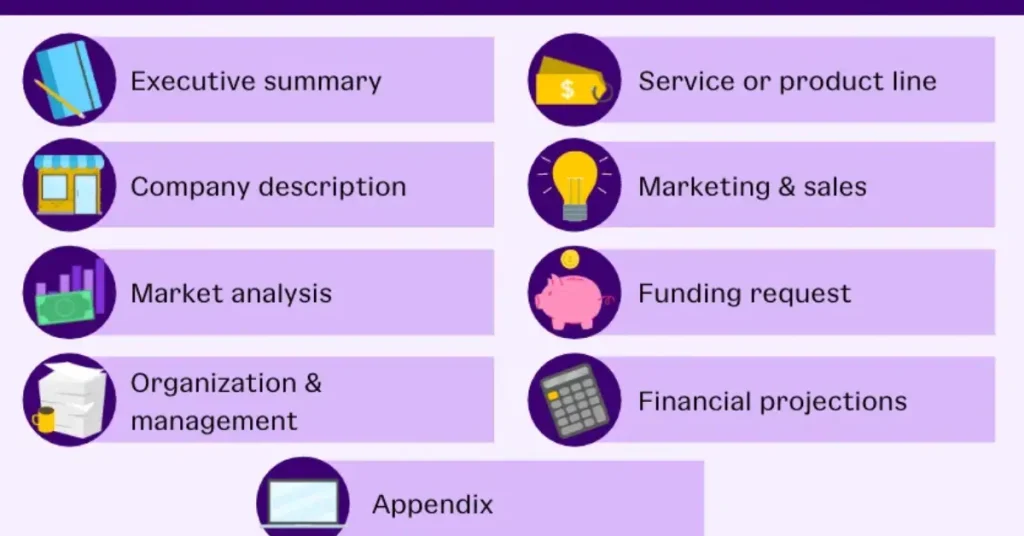
A well-structured entrepreneurship business plan is the foundation of any successful venture. Whether you are launching a small startup, expanding a family business, or exploring a new market, having a clear roadmap helps guide decisions, attract investors, and minimize risks. An entrepreneurship business plan is more than just a document—it is a strategic blueprint that outlines your vision, goals, and actionable steps for turning an idea into a profitable business.
The first element of an entrepreneurship business plan is the Executive Summary, which provides a concise overview of your business concept, objectives, and potential market. This section should capture the attention of investors or stakeholders while summarizing your unique value proposition. Next is the Market Analysis, where you examine your target audience, competitors, and industry trends. Understanding the market ensures that your business strategy aligns with demand and identifies opportunities for growth.
The Product or Service Strategy section outlines what your business offers and how it stands out from competitors. Entrepreneurs must focus on solving real problems or meeting specific needs in the market, which increases the chances of success. Following this is the Marketing and Sales Plan, detailing how you will reach customers, promote your offerings, and generate revenue. A strong marketing strategy, supported by digital tools and social media, can give even small businesses a competitive edge.
A critical part of any entrepreneurship business plan is Financial Planning. This includes projected income statements, cash flow analysis, and budgeting, ensuring that the business can sustain operations and scale effectively. Finally, the plan should include a Growth and Scaling Strategy, highlighting how the business will expand over time and adapt to changing market conditions.
Creating an entrepreneurship business plan is not a one-time task—it requires continuous refinement as your business evolves. By following this structured approach, entrepreneurs can make informed decisions, attract funding, and establish a strong foundation for long-term success. A clear, realistic, and well-documented plan transforms entrepreneurial ideas into actionable strategies that can lead to sustainable growth.
Small Business Entrepreneurship
Small business entrepreneurship plays a vital role in today’s economy, driving innovation, creating jobs, and fostering local development. Unlike large corporations, small businesses operate on a smaller scale, which allows entrepreneurs to experiment with new ideas, respond quickly to market changes, and build personal connections with their customers. For aspiring business owners, understanding the principles of small business entrepreneurship is key to launching a successful venture.
At its core, small business entrepreneurship involves identifying opportunities, developing products or services that meet specific needs, and managing limited resources effectively. Entrepreneurs in this space must wear multiple hats—handling marketing, operations, finance, and customer relations—making versatility and adaptability essential skills. Success in small business entrepreneurship often depends on creativity, persistence, and the ability to solve problems efficiently.
One of the major advantages of small business entrepreneurship is the relatively lower barrier to entry compared to large-scale ventures. Starting a small business can require minimal capital, especially with the availability of online platforms, digital marketing, and modern tools for project management and sales. However, careful planning is crucial. Entrepreneurs should create a comprehensive business plan, assess market demand, and understand competition before launching their venture.
Small business entrepreneurs also face unique challenges. Limited financial resources, difficulty in scaling, and fluctuating customer demand are common obstacles. Effective strategies, such as building a loyal customer base, leveraging social media for marketing, and continuously innovating products or services, can help overcome these hurdles. Additionally, networking with other entrepreneurs and seeking mentorship can provide valuable guidance and support.
Ultimately, small business entrepreneurship empowers individuals to transform ideas into sustainable enterprises while contributing to local economies. By focusing on strategic planning, innovation, and customer-centric approaches, small business entrepreneurs can grow their ventures successfully, setting the stage for potential expansion into larger markets. Whether you aim to launch a new startup or manage a boutique family business, mastering the principles of small business entrepreneurship is essential for long-term success.
Entrepreneurship vs Business

Understanding the difference between entrepreneurship vs business is crucial for anyone looking to start a venture or grow an existing enterprise. While the two terms are often used interchangeably, they represent distinct approaches, mindsets, and objectives. Entrepreneurship is primarily about innovation, risk-taking, and creating new opportunities. Entrepreneurs identify gaps in the market and develop solutions that add value, often introducing products or services that did not exist before. Their goal is not just to earn profit but also to scale their ideas, disrupt markets, and make a lasting impact. Entrepreneurs operate with a long-term vision and are willing to take calculated risks to achieve significant rewards.
In contrast, a traditional business focuses on stability, consistency, and sustainable revenue. Business owners often follow established models and provide products or services within a known market. While businesses can innovate, their main objective is to maintain profitability and operational efficiency rather than introducing entirely new solutions. The mindset and approach of entrepreneurs and business owners differ significantly. Entrepreneurs embrace uncertainty, experiment with new ideas, and pursue rapid growth, while business owners prioritize predictability, steady operations, and gradual expansion.
The risk levels and growth potential also set them apart. Entrepreneurs are prepared to take higher risks in pursuit of innovation and market disruption, whereas traditional businesses aim to minimize risks and preserve resources. Many successful ventures today blend both approaches, applying entrepreneurial strategies while maintaining structured business operations. By understanding entrepreneurship vs business, aspiring leaders can make informed decisions about whether to launch an innovative startup, manage a structured enterprise, or combine both approaches to achieve sustainable success. Recognizing these differences ensures that entrepreneurs and business owners can align their strategies with their goals and maximize growth potential in a competitive market.
Business and Entrepreneurship
Business and entrepreneurship are closely connected concepts, yet each brings a unique perspective to the world of commerce. Business generally refers to organized activities aimed at producing goods or services to earn profit, often following established practices and predictable models. Entrepreneurship, on the other hand, emphasizes innovation, creativity, and the ability to identify and capitalize on new opportunities. While business focuses on maintaining stability and operational efficiency, entrepreneurship is driven by vision, risk-taking, and growth. Together, they form the backbone of a thriving economy, enabling individuals to turn ideas into tangible ventures while sustaining long-term operations.
Successful entrepreneurs combine elements of both business and entrepreneurship. They apply entrepreneurial thinking to discover gaps in the market, develop innovative products or services, and create value for customers. At the same time, they use business strategies to manage operations efficiently, maintain profitability, and ensure sustainability. This blend allows ventures to grow steadily while remaining agile enough to adapt to changing market conditions. From small startups to family enterprises and large corporations, integrating entrepreneurial insight with solid business management is key to success.
Understanding business and entrepreneurship also involves recognizing the different skill sets required. Entrepreneurs need creativity, leadership, problem-solving abilities, and the courage to take risks. Business management, meanwhile, requires planning, financial literacy, organizational skills, and strategic thinking. Individuals who master both areas can navigate challenges more effectively, whether launching a new venture, expanding an existing business, or optimizing operations for maximum efficiency.
In today’s competitive and fast-changing world, business and entrepreneurship go hand in hand. Entrepreneurs who apply strong business principles can scale their ideas effectively, while businesses that embrace entrepreneurship can innovate, stay relevant, and remain competitive. Whether you are a student, a startup founder, or a professional exploring new opportunities, understanding the relationship between business and entrepreneurship provides the foundation to build, grow, and sustain successful ventures.
Conclusion
In conclusion, business and entrepreneurship are essential skills for anyone aiming to succeed in today’s competitive economy. Whether you are exploring small business entrepreneurship, managing a BBA family business and entrepreneurship, or creating an effective entrepreneurship business plan, the combination of innovation, strategic planning, and practical business skills is key. Understanding the differences in entrepreneurship vs business allows aspiring leaders to make informed decisions, grow their ventures, and navigate challenges effectively. By applying these principles, individuals can transform ideas into successful ventures, create lasting value, and achieve sustainable growth in the ever-evolving world of business.
What is the difference between entrepreneurship and business?
Entrepreneurship focuses on innovation, risk-taking, and creating new opportunities, while business emphasizes stability, profitability, and managing operations efficiently.
What is a BBA family business and entrepreneurship?
It refers to the study and management of family-owned businesses, combining traditional business practices with entrepreneurial strategies to ensure growth and sustainability.
How do I create an entrepreneurship business plan?
A strong business plan includes an executive summary, market analysis, product or service strategy, marketing plan, financial projections, and growth strategy.
What is small business entrepreneurship?
Small business entrepreneurship involves starting and managing a small-scale venture, focusing on innovation, customer needs, and efficient resource management.
Can anyone become an entrepreneur?
Yes, anyone with the right mindset, planning, and willingness to take calculated risks can pursue entrepreneurship.
What are the key skills needed for business and entrepreneurship?
Important skills include leadership, financial literacy, problem-solving, creativity, marketing, and strategic planning.
What are common challenges in entrepreneurship?
Challenges include financial risk, competition, managing operations, balancing innovation with stability, and scaling the business.
How is entrepreneurship different from running a family business?
Entrepreneurship emphasizes creating new ventures or innovations, while a family business may focus on maintaining legacy operations and evolving them strategically.
Why is a business plan important for entrepreneurs?
A business plan provides a roadmap, helps secure funding, guides decision-making, and sets clear goals for sustainable growth.
How can I succeed in business and entrepreneurship in 2026?
Focus on innovation, understand your market, continuously improve skills, create a solid business plan, and adapt to changing trends for long-term success.